
Explore Blog Posts
Stay ahead in the legal world with our regular updates and expert analysis on current legal developments.
View All Blog Posts
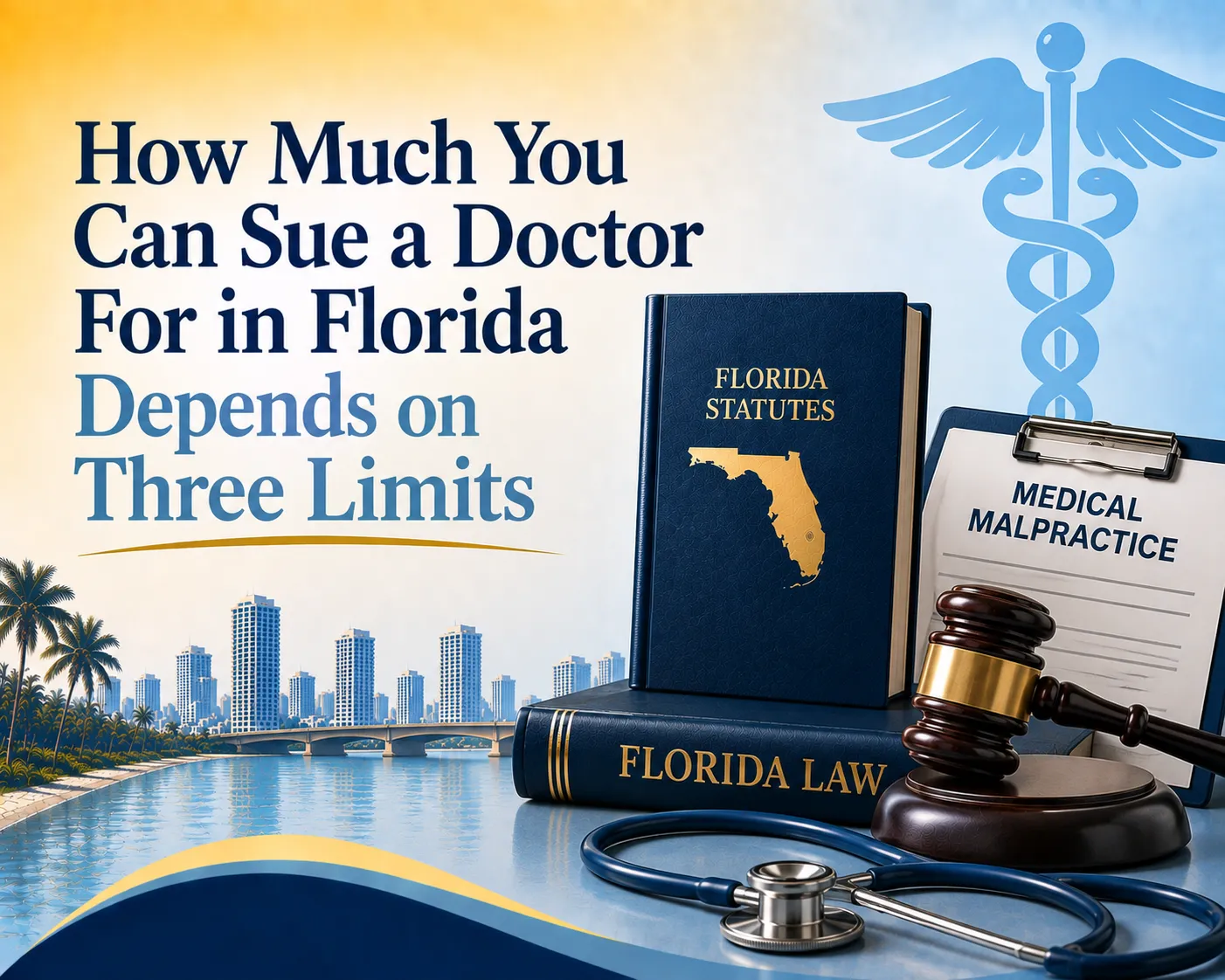
Most families who reach out after the death of a parent or an adult child already suspect that something went wrong medically. What Florida law does very little to publicize is that a single provision inside the state's own Wrongful Death Act may bar those families from recovering anything for their grief, based entirely on who the person left behind, no matter how clear the negligence was. Florida Statute 768.21(8) was enacted in 1990 and remains on the books today. Critics call it the "Free Kill" law. It creates one narrow exception to Florida's wrongful death protections, and it applies in only one context: when the death was caused by medical negligence. Most affected families learn about it only after their loved one is already gone. This article explains what the statute actually says, who it affects, where repeal efforts stand, and what options may still remain.
Florida's Wrongful Death Act appears at Florida Statutes 768.16 through 768.26. Section 768.17 sets out the Act's stated public policy: that the losses caused by a preventable death should be shifted from the surviving family to the wrongdoer. That policy applies across essentially every category of negligence-caused death in Florida, including car accidents, truck accidents, construction accidents, and premises liability. Section 768.21(8) carves out one exception, and it removes two specific categories of non-economic damages when the death resulted from medical negligence.

The Florida Legislature passed the provision in 1990 with two stated objectives: reducing medical malpractice insurance premiums and discouraging physicians from leaving the state. Those justifications have been the subject of sustained debate ever since. A 2003 report by the federal General Accounting Office, which examined the physician-departure argument nationally, found that many reported provider departures were anecdotal and in some instances could not be substantiated. Malpractice premiums in Florida did not fall in the years after enactment. Supporters of the provision, including physician groups, hospitals, and insurers, continue to argue that repeal would raise health care costs and malpractice premiums and make it harder to recruit doctors to Florida. That disagreement is a large part of why the statute has survived for more than three decades.
Repeal bills have been filed in nearly every recent legislative session, and the issue has drawn unusually broad bipartisan support in the Florida House. It has still not become law. Because this is an active legislative issue, the status below reflects the situation as of the publication date of this article and could change in a future session.
A family that appears to be barred by subsection (8) is not automatically without options. Before anyone concludes there is no case, several specific questions need to be answered by an attorney who handles Florida medical negligence matters. The answers depend heavily on the individual facts.
Even where subsection (8) is in play, the clock does not stop while a family investigates. Missing a deadline can end a claim that otherwise had a viable path.
Families dealing with Florida Statute 768.21(8) tend to ask the same things first.
Florida Statute 768.21(8) is a real and significant barrier, and no attorney can honestly tell an affected family otherwise. But the barrier is narrower than it is often described. It applies only to medical negligence, only to two categories of survivors, and only to certain categories of damages. Whether it actually forecloses a particular family's claim depends on how the death is legally classified, who survived the decedent and at what ages, what economic losses exist, and whether a non-litigation path to accountability makes sense.
Stay ahead in the legal world with our regular updates and expert analysis on current legal developments.
Real stories from injury victims across Florida who trusted us during some of the most difficult moments of their lives.
Get Legal HelpI want to share my experience with Scott Edgett and his team, because finding an attorney who truly stands with you is not something you come across often.What impressed me most was the way Scott took the time to understand me as a whole person. He did not treat my situation like something routine or transactional. He took time to learn what I valu...
Camille S.
Truck Accident Client
Exceptional from start to finish. Scott and his whole team were patient, prepared, communicated clearly throughout the process, and delivered a result that exceeded our expectations. You can tell they genuinely care about their clients. I couldn't recommend them more highly.
Jack T.
Car Accident Client
Scott and his team of lawyers are truly outstanding. They were always available during difficult times, answering our calls at virtually any hour of the day or night. Their dedication and diligence in handling our family case went above and beyond, working tirelessly to ensure complete client satisfaction. I cannot fully express my gratitude in wor...
Andrei H.
Wrongful Death Client
A coworker used Mr. Edgett services and a situation came up that she need answers asap. I was very impressed on how he kept responding back to her multiple times until this issue was resolved. To me it shows he's compassionate and understood what was needed and he was able to assist her.
AL F.
Slip and Fall Client
This law firm helped me get through a lot and I will forever be grateful to them! I always refer friends and family. Tonya was very helpful! They truly care for their clients. 10/10
Gabriel F.
Motorcycle Accident Client
Mallory was super helpful through a very tough process regarding my family. Amy was also very sweet and professional. Although we did not actually end up needing to hire them, they really helped us understand everything we were going through and gave us great advice! I’d definitely recommend this law firm to my friends and family.
Rochelle B.
Catastrophic Injury Client
I highly recommend attorney Scott Edgett law firm to any parent or family member seeking legal representation. They treated us like family and genuinely cared about our well being and daughters best interests throughout the entire process
Sergio g.
Catastrophic Injury Client
I trust this law firm so much! Their services are great!! Scott is AMAZING! The most professional and honest place I’ve been to. I would recommend to everyone!
Marlene F.
Catastrophic Injury Client
I want to share my experience with Scott Edgett and his team, because finding an attorney who truly stands with you is not something you come across often.What impressed me most was the way Scott took the time to understand me as a whole person. He did not treat my situation like something routine or transactional. He took time to learn what I valu...
Camille S.
Truck Accident Client
Exceptional from start to finish. Scott and his whole team were patient, prepared, communicated clearly throughout the process, and delivered a result that exceeded our expectations. You can tell they genuinely care about their clients. I couldn't recommend them more highly.
Jack T.
Car Accident Client
Scott and his team of lawyers are truly outstanding. They were always available during difficult times, answering our calls at virtually any hour of the day or night. Their dedication and diligence in handling our family case went above and beyond, working tirelessly to ensure complete client satisfaction. I cannot fully express my gratitude in wor...
Andrei H.
Wrongful Death Client
A coworker used Mr. Edgett services and a situation came up that she need answers asap. I was very impressed on how he kept responding back to her multiple times until this issue was resolved. To me it shows he's compassionate and understood what was needed and he was able to assist her.
AL F.
Slip and Fall Client
This law firm helped me get through a lot and I will forever be grateful to them! I always refer friends and family. Tonya was very helpful! They truly care for their clients. 10/10
Gabriel F.
Motorcycle Accident Client
Mallory was super helpful through a very tough process regarding my family. Amy was also very sweet and professional. Although we did not actually end up needing to hire them, they really helped us understand everything we were going through and gave us great advice! I’d definitely recommend this law firm to my friends and family.
Rochelle B.
Catastrophic Injury Client
I highly recommend attorney Scott Edgett law firm to any parent or family member seeking legal representation. They treated us like family and genuinely cared about our well being and daughters best interests throughout the entire process
Sergio g.
Catastrophic Injury Client
I trust this law firm so much! Their services are great!! Scott is AMAZING! The most professional and honest place I’ve been to. I would recommend to everyone!
Marlene F.
Catastrophic Injury Client
I want to share my experience with Scott Edgett and his team, because finding an attorney who truly stands with you is not something you come across often.What impressed me most was the way Scott took the time to understand me as a whole person. He did not treat my situation like something routine or transactional. He took time to learn what I valu...
Camille S.
Truck Accident Client
Exceptional from start to finish. Scott and his whole team were patient, prepared, communicated clearly throughout the process, and delivered a result that exceeded our expectations. You can tell they genuinely care about their clients. I couldn't recommend them more highly.
Jack T.
Car Accident Client
Scott and his team of lawyers are truly outstanding. They were always available during difficult times, answering our calls at virtually any hour of the day or night. Their dedication and diligence in handling our family case went above and beyond, working tirelessly to ensure complete client satisfaction. I cannot fully express my gratitude in wor...
Andrei H.
Wrongful Death Client
A coworker used Mr. Edgett services and a situation came up that she need answers asap. I was very impressed on how he kept responding back to her multiple times until this issue was resolved. To me it shows he's compassionate and understood what was needed and he was able to assist her.
AL F.
Slip and Fall Client
This law firm helped me get through a lot and I will forever be grateful to them! I always refer friends and family. Tonya was very helpful! They truly care for their clients. 10/10
Gabriel F.
Motorcycle Accident Client
Mallory was super helpful through a very tough process regarding my family. Amy was also very sweet and professional. Although we did not actually end up needing to hire them, they really helped us understand everything we were going through and gave us great advice! I’d definitely recommend this law firm to my friends and family.
Rochelle B.
Catastrophic Injury Client
I highly recommend attorney Scott Edgett law firm to any parent or family member seeking legal representation. They treated us like family and genuinely cared about our well being and daughters best interests throughout the entire process
Sergio g.
Catastrophic Injury Client
I trust this law firm so much! Their services are great!! Scott is AMAZING! The most professional and honest place I’ve been to. I would recommend to everyone!
Marlene F.
Catastrophic Injury Client
I want to share my experience with Scott Edgett and his team, because finding an attorney who truly stands with you is not something you come across often.What impressed me most was the way Scott took the time to understand me as a whole person. He did not treat my situation like something routine or transactional. He took time to learn what I valu...
Camille S.
Truck Accident Client
Exceptional from start to finish. Scott and his whole team were patient, prepared, communicated clearly throughout the process, and delivered a result that exceeded our expectations. You can tell they genuinely care about their clients. I couldn't recommend them more highly.
Jack T.
Car Accident Client
Scott and his team of lawyers are truly outstanding. They were always available during difficult times, answering our calls at virtually any hour of the day or night. Their dedication and diligence in handling our family case went above and beyond, working tirelessly to ensure complete client satisfaction. I cannot fully express my gratitude in wor...
Andrei H.
Wrongful Death Client
A coworker used Mr. Edgett services and a situation came up that she need answers asap. I was very impressed on how he kept responding back to her multiple times until this issue was resolved. To me it shows he's compassionate and understood what was needed and he was able to assist her.
AL F.
Slip and Fall Client
This law firm helped me get through a lot and I will forever be grateful to them! I always refer friends and family. Tonya was very helpful! They truly care for their clients. 10/10
Gabriel F.
Motorcycle Accident Client
Mallory was super helpful through a very tough process regarding my family. Amy was also very sweet and professional. Although we did not actually end up needing to hire them, they really helped us understand everything we were going through and gave us great advice! I’d definitely recommend this law firm to my friends and family.
Rochelle B.
Catastrophic Injury Client
I highly recommend attorney Scott Edgett law firm to any parent or family member seeking legal representation. They treated us like family and genuinely cared about our well being and daughters best interests throughout the entire process
Sergio g.
Catastrophic Injury Client
I trust this law firm so much! Their services are great!! Scott is AMAZING! The most professional and honest place I’ve been to. I would recommend to everyone!
Marlene F.
Catastrophic Injury Client
I want to share my experience with Scott Edgett and his team, because finding an attorney who truly stands with you is not something you come across often.What impressed me most was the way Scott took the time to understand me as a whole person. He did not treat my situation like something routine or transactional. He took time to learn what I valu...
Camille S.
Truck Accident Client
Exceptional from start to finish. Scott and his whole team were patient, prepared, communicated clearly throughout the process, and delivered a result that exceeded our expectations. You can tell they genuinely care about their clients. I couldn't recommend them more highly.
Jack T.
Car Accident Client
Scott and his team of lawyers are truly outstanding. They were always available during difficult times, answering our calls at virtually any hour of the day or night. Their dedication and diligence in handling our family case went above and beyond, working tirelessly to ensure complete client satisfaction. I cannot fully express my gratitude in wor...
Andrei H.
Wrongful Death Client
A coworker used Mr. Edgett services and a situation came up that she need answers asap. I was very impressed on how he kept responding back to her multiple times until this issue was resolved. To me it shows he's compassionate and understood what was needed and he was able to assist her.
AL F.
Slip and Fall Client
This law firm helped me get through a lot and I will forever be grateful to them! I always refer friends and family. Tonya was very helpful! They truly care for their clients. 10/10
Gabriel F.
Motorcycle Accident Client
Mallory was super helpful through a very tough process regarding my family. Amy was also very sweet and professional. Although we did not actually end up needing to hire them, they really helped us understand everything we were going through and gave us great advice! I’d definitely recommend this law firm to my friends and family.
Rochelle B.
Catastrophic Injury Client
I highly recommend attorney Scott Edgett law firm to any parent or family member seeking legal representation. They treated us like family and genuinely cared about our well being and daughters best interests throughout the entire process
Sergio g.
Catastrophic Injury Client
I trust this law firm so much! Their services are great!! Scott is AMAZING! The most professional and honest place I’ve been to. I would recommend to everyone!
Marlene F.
Catastrophic Injury Client
I want to share my experience with Scott Edgett and his team, because finding an attorney who truly stands with you is not something you come across often.What impressed me most was the way Scott took the time to understand me as a whole person. He did not treat my situation like something routine or transactional. He took time to learn what I valu...
Camille S.
Truck Accident Client
Exceptional from start to finish. Scott and his whole team were patient, prepared, communicated clearly throughout the process, and delivered a result that exceeded our expectations. You can tell they genuinely care about their clients. I couldn't recommend them more highly.
Jack T.
Car Accident Client
Scott and his team of lawyers are truly outstanding. They were always available during difficult times, answering our calls at virtually any hour of the day or night. Their dedication and diligence in handling our family case went above and beyond, working tirelessly to ensure complete client satisfaction. I cannot fully express my gratitude in wor...
Andrei H.
Wrongful Death Client
A coworker used Mr. Edgett services and a situation came up that she need answers asap. I was very impressed on how he kept responding back to her multiple times until this issue was resolved. To me it shows he's compassionate and understood what was needed and he was able to assist her.
AL F.
Slip and Fall Client
This law firm helped me get through a lot and I will forever be grateful to them! I always refer friends and family. Tonya was very helpful! They truly care for their clients. 10/10
Gabriel F.
Motorcycle Accident Client
Mallory was super helpful through a very tough process regarding my family. Amy was also very sweet and professional. Although we did not actually end up needing to hire them, they really helped us understand everything we were going through and gave us great advice! I’d definitely recommend this law firm to my friends and family.
Rochelle B.
Catastrophic Injury Client
I highly recommend attorney Scott Edgett law firm to any parent or family member seeking legal representation. They treated us like family and genuinely cared about our well being and daughters best interests throughout the entire process
Sergio g.
Catastrophic Injury Client
I trust this law firm so much! Their services are great!! Scott is AMAZING! The most professional and honest place I’ve been to. I would recommend to everyone!
Marlene F.
Catastrophic Injury Client
Injured In An Accident?
You Focus On Recovery. We'll Handle The Rest.

Fighting For Florida Injury Victims With Compassion, Experience, And Results.
Copyright © 2026 FloridaCAIL.com, All rights reserved.
Fighting For Florida Injury Victims With Compassion, Experience, And Results.
Phone
1-866-414-1111© 2026 Florida CAIL · Coastal Accident & Injury Law · All rights reserved.
Powered by AG InfoTech
Injured? We're available 24/7
1-866-414-1111