
Explore Blog Posts
Stay ahead in the legal world with our regular updates and expert analysis on current legal developments.
View All Blog Posts
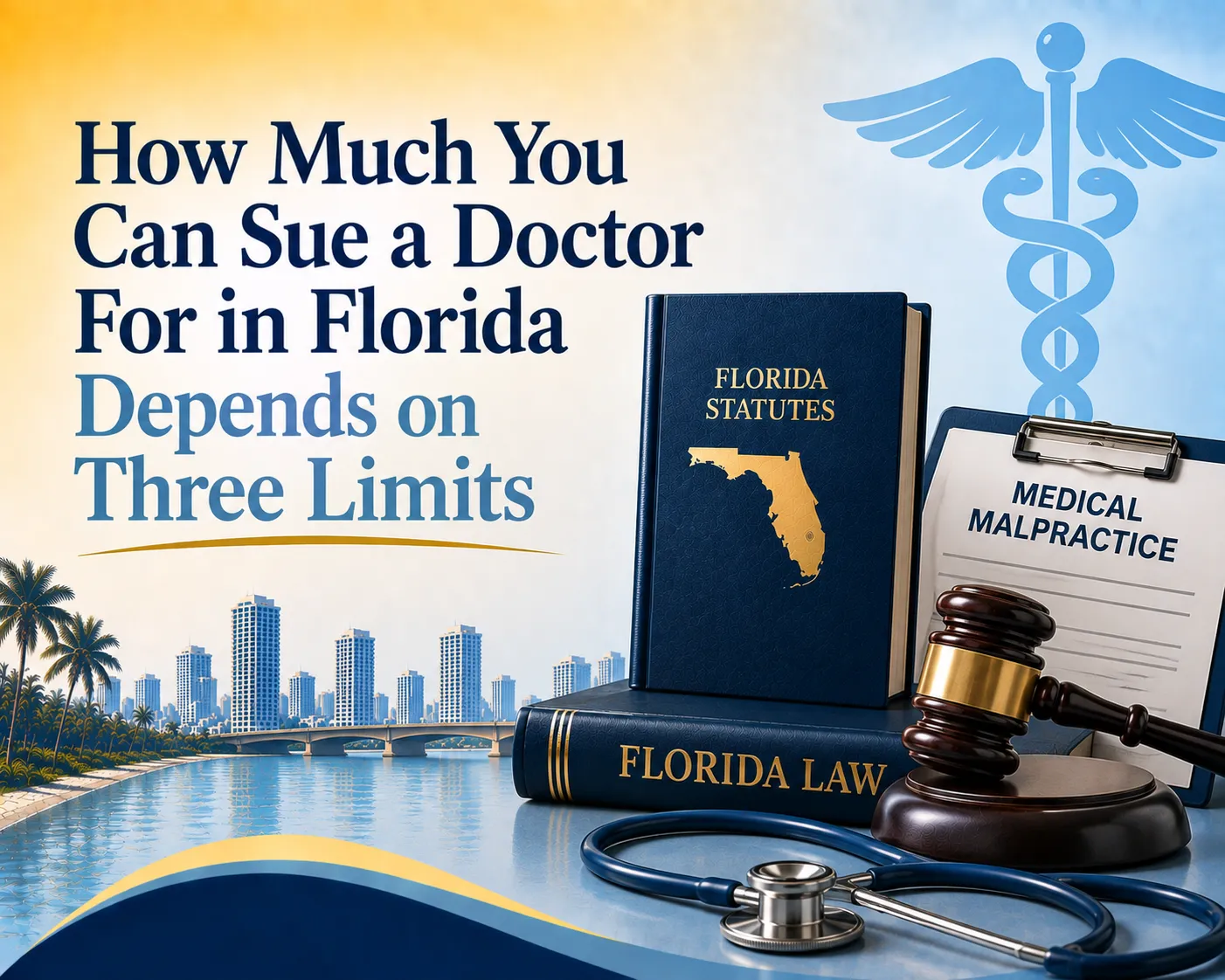
You stopped at the light, watched traffic, and did everything correctly. Another driver hit you anyway, and now you are dealing with injuries, medical bills, and time away from work. Then the police report comes back and you learn the other driver had no insurance. It is a demoralizing moment, and it raises an immediate practical question: if the person who caused this cannot pay, who does? In Florida the answer is more complicated than most people expect, and it starts with a fact that surprises nearly every injured person who hears it. Florida does not require most drivers to carry any coverage at all for the injuries they cause other people. A driver can be fully licensed, fully registered, and entirely legal in Florida while having nothing available to pay your medical bills. This article explains what Florida actually requires, what coverage may respond, and the specific procedural traps that can quietly destroy a claim.
When people say the at-fault driver was "uninsured," they are usually describing one of two situations, and Florida law treats them differently even though the practical result can feel identical.

Uninsured Motorist and Underinsured Motorist coverage, governed by Florida Statute 627.727, is the coverage designed for exactly this situation. UM applies when the at-fault driver has no applicable bodily injury coverage. UIM applies when the at-fault driver has coverage but not enough to cover your damages. Unlike PIP, this coverage can compensate the full range of injury damages.
This is the trap that catches injured people who try to handle a claim themselves, and it is not widely discussed. Under Florida Statute 627.727(6), if you intend to settle with the at-fault driver's liability insurer and that settlement will not fully compensate your claim, written notice of the proposed settlement generally must be sent by certified or registered mail to every underinsured motorist insurer that provides coverage. The UM insurer then has 30 days to either authorize the settlement or preserve its subrogation rights by paying you the amount of the proposed settlement itself.
A UM claim rarely resolves quickly, and bills do not wait. Several other sources of payment usually come into play in the meantime.
A UM claim feels different from other insurance claims because the company you have paid premiums to for years is now the party that will be writing the check. That changes the relationship. In a liability claim, your insurer defends you. In a UM claim, your insurer is evaluating and resisting your claim, and it has the same financial incentive to pay less that any other carrier has.
Yes. An uninsured driver remains personally responsible for the harm they caused, and a lawsuit can produce a judgment against them. Whether that judgment translates into money is a separate question, and honesty about the odds matters more here than optimism.
Two different clocks can run at the same time in an uninsured driver case, and they are not necessarily the same length.
What Florida drivers ask after learning the other driver had no coverage.
The hardest part of an uninsured driver crash is the unfairness of it. Someone else caused the harm, and yet the coverage that ends up mattering most is the coverage you bought for yourself. That is a direct consequence of how Florida structured its insurance requirements, and it is why UM coverage is worth far more attention than most drivers give it before an accident happens.
Stay ahead in the legal world with our regular updates and expert analysis on current legal developments.
Real stories from injury victims across Florida who trusted us during some of the most difficult moments of their lives.
Get Legal HelpI want to share my experience with Scott Edgett and his team, because finding an attorney who truly stands with you is not something you come across often.What impressed me most was the way Scott took the time to understand me as a whole person. He did not treat my situation like something routine or transactional. He took time to learn what I valu...
Camille S.
Truck Accident Client
Exceptional from start to finish. Scott and his whole team were patient, prepared, communicated clearly throughout the process, and delivered a result that exceeded our expectations. You can tell they genuinely care about their clients. I couldn't recommend them more highly.
Jack T.
Car Accident Client
Scott and his team of lawyers are truly outstanding. They were always available during difficult times, answering our calls at virtually any hour of the day or night. Their dedication and diligence in handling our family case went above and beyond, working tirelessly to ensure complete client satisfaction. I cannot fully express my gratitude in wor...
Andrei H.
Wrongful Death Client
A coworker used Mr. Edgett services and a situation came up that she need answers asap. I was very impressed on how he kept responding back to her multiple times until this issue was resolved. To me it shows he's compassionate and understood what was needed and he was able to assist her.
AL F.
Slip and Fall Client
This law firm helped me get through a lot and I will forever be grateful to them! I always refer friends and family. Tonya was very helpful! They truly care for their clients. 10/10
Gabriel F.
Motorcycle Accident Client
Mallory was super helpful through a very tough process regarding my family. Amy was also very sweet and professional. Although we did not actually end up needing to hire them, they really helped us understand everything we were going through and gave us great advice! I’d definitely recommend this law firm to my friends and family.
Rochelle B.
Catastrophic Injury Client
I highly recommend attorney Scott Edgett law firm to any parent or family member seeking legal representation. They treated us like family and genuinely cared about our well being and daughters best interests throughout the entire process
Sergio g.
Catastrophic Injury Client
I trust this law firm so much! Their services are great!! Scott is AMAZING! The most professional and honest place I’ve been to. I would recommend to everyone!
Marlene F.
Catastrophic Injury Client
I want to share my experience with Scott Edgett and his team, because finding an attorney who truly stands with you is not something you come across often.What impressed me most was the way Scott took the time to understand me as a whole person. He did not treat my situation like something routine or transactional. He took time to learn what I valu...
Camille S.
Truck Accident Client
Exceptional from start to finish. Scott and his whole team were patient, prepared, communicated clearly throughout the process, and delivered a result that exceeded our expectations. You can tell they genuinely care about their clients. I couldn't recommend them more highly.
Jack T.
Car Accident Client
Scott and his team of lawyers are truly outstanding. They were always available during difficult times, answering our calls at virtually any hour of the day or night. Their dedication and diligence in handling our family case went above and beyond, working tirelessly to ensure complete client satisfaction. I cannot fully express my gratitude in wor...
Andrei H.
Wrongful Death Client
A coworker used Mr. Edgett services and a situation came up that she need answers asap. I was very impressed on how he kept responding back to her multiple times until this issue was resolved. To me it shows he's compassionate and understood what was needed and he was able to assist her.
AL F.
Slip and Fall Client
This law firm helped me get through a lot and I will forever be grateful to them! I always refer friends and family. Tonya was very helpful! They truly care for their clients. 10/10
Gabriel F.
Motorcycle Accident Client
Mallory was super helpful through a very tough process regarding my family. Amy was also very sweet and professional. Although we did not actually end up needing to hire them, they really helped us understand everything we were going through and gave us great advice! I’d definitely recommend this law firm to my friends and family.
Rochelle B.
Catastrophic Injury Client
I highly recommend attorney Scott Edgett law firm to any parent or family member seeking legal representation. They treated us like family and genuinely cared about our well being and daughters best interests throughout the entire process
Sergio g.
Catastrophic Injury Client
I trust this law firm so much! Their services are great!! Scott is AMAZING! The most professional and honest place I’ve been to. I would recommend to everyone!
Marlene F.
Catastrophic Injury Client
I want to share my experience with Scott Edgett and his team, because finding an attorney who truly stands with you is not something you come across often.What impressed me most was the way Scott took the time to understand me as a whole person. He did not treat my situation like something routine or transactional. He took time to learn what I valu...
Camille S.
Truck Accident Client
Exceptional from start to finish. Scott and his whole team were patient, prepared, communicated clearly throughout the process, and delivered a result that exceeded our expectations. You can tell they genuinely care about their clients. I couldn't recommend them more highly.
Jack T.
Car Accident Client
Scott and his team of lawyers are truly outstanding. They were always available during difficult times, answering our calls at virtually any hour of the day or night. Their dedication and diligence in handling our family case went above and beyond, working tirelessly to ensure complete client satisfaction. I cannot fully express my gratitude in wor...
Andrei H.
Wrongful Death Client
A coworker used Mr. Edgett services and a situation came up that she need answers asap. I was very impressed on how he kept responding back to her multiple times until this issue was resolved. To me it shows he's compassionate and understood what was needed and he was able to assist her.
AL F.
Slip and Fall Client
This law firm helped me get through a lot and I will forever be grateful to them! I always refer friends and family. Tonya was very helpful! They truly care for their clients. 10/10
Gabriel F.
Motorcycle Accident Client
Mallory was super helpful through a very tough process regarding my family. Amy was also very sweet and professional. Although we did not actually end up needing to hire them, they really helped us understand everything we were going through and gave us great advice! I’d definitely recommend this law firm to my friends and family.
Rochelle B.
Catastrophic Injury Client
I highly recommend attorney Scott Edgett law firm to any parent or family member seeking legal representation. They treated us like family and genuinely cared about our well being and daughters best interests throughout the entire process
Sergio g.
Catastrophic Injury Client
I trust this law firm so much! Their services are great!! Scott is AMAZING! The most professional and honest place I’ve been to. I would recommend to everyone!
Marlene F.
Catastrophic Injury Client
I want to share my experience with Scott Edgett and his team, because finding an attorney who truly stands with you is not something you come across often.What impressed me most was the way Scott took the time to understand me as a whole person. He did not treat my situation like something routine or transactional. He took time to learn what I valu...
Camille S.
Truck Accident Client
Exceptional from start to finish. Scott and his whole team were patient, prepared, communicated clearly throughout the process, and delivered a result that exceeded our expectations. You can tell they genuinely care about their clients. I couldn't recommend them more highly.
Jack T.
Car Accident Client
Scott and his team of lawyers are truly outstanding. They were always available during difficult times, answering our calls at virtually any hour of the day or night. Their dedication and diligence in handling our family case went above and beyond, working tirelessly to ensure complete client satisfaction. I cannot fully express my gratitude in wor...
Andrei H.
Wrongful Death Client
A coworker used Mr. Edgett services and a situation came up that she need answers asap. I was very impressed on how he kept responding back to her multiple times until this issue was resolved. To me it shows he's compassionate and understood what was needed and he was able to assist her.
AL F.
Slip and Fall Client
This law firm helped me get through a lot and I will forever be grateful to them! I always refer friends and family. Tonya was very helpful! They truly care for their clients. 10/10
Gabriel F.
Motorcycle Accident Client
Mallory was super helpful through a very tough process regarding my family. Amy was also very sweet and professional. Although we did not actually end up needing to hire them, they really helped us understand everything we were going through and gave us great advice! I’d definitely recommend this law firm to my friends and family.
Rochelle B.
Catastrophic Injury Client
I highly recommend attorney Scott Edgett law firm to any parent or family member seeking legal representation. They treated us like family and genuinely cared about our well being and daughters best interests throughout the entire process
Sergio g.
Catastrophic Injury Client
I trust this law firm so much! Their services are great!! Scott is AMAZING! The most professional and honest place I’ve been to. I would recommend to everyone!
Marlene F.
Catastrophic Injury Client
I want to share my experience with Scott Edgett and his team, because finding an attorney who truly stands with you is not something you come across often.What impressed me most was the way Scott took the time to understand me as a whole person. He did not treat my situation like something routine or transactional. He took time to learn what I valu...
Camille S.
Truck Accident Client
Exceptional from start to finish. Scott and his whole team were patient, prepared, communicated clearly throughout the process, and delivered a result that exceeded our expectations. You can tell they genuinely care about their clients. I couldn't recommend them more highly.
Jack T.
Car Accident Client
Scott and his team of lawyers are truly outstanding. They were always available during difficult times, answering our calls at virtually any hour of the day or night. Their dedication and diligence in handling our family case went above and beyond, working tirelessly to ensure complete client satisfaction. I cannot fully express my gratitude in wor...
Andrei H.
Wrongful Death Client
A coworker used Mr. Edgett services and a situation came up that she need answers asap. I was very impressed on how he kept responding back to her multiple times until this issue was resolved. To me it shows he's compassionate and understood what was needed and he was able to assist her.
AL F.
Slip and Fall Client
This law firm helped me get through a lot and I will forever be grateful to them! I always refer friends and family. Tonya was very helpful! They truly care for their clients. 10/10
Gabriel F.
Motorcycle Accident Client
Mallory was super helpful through a very tough process regarding my family. Amy was also very sweet and professional. Although we did not actually end up needing to hire them, they really helped us understand everything we were going through and gave us great advice! I’d definitely recommend this law firm to my friends and family.
Rochelle B.
Catastrophic Injury Client
I highly recommend attorney Scott Edgett law firm to any parent or family member seeking legal representation. They treated us like family and genuinely cared about our well being and daughters best interests throughout the entire process
Sergio g.
Catastrophic Injury Client
I trust this law firm so much! Their services are great!! Scott is AMAZING! The most professional and honest place I’ve been to. I would recommend to everyone!
Marlene F.
Catastrophic Injury Client
I want to share my experience with Scott Edgett and his team, because finding an attorney who truly stands with you is not something you come across often.What impressed me most was the way Scott took the time to understand me as a whole person. He did not treat my situation like something routine or transactional. He took time to learn what I valu...
Camille S.
Truck Accident Client
Exceptional from start to finish. Scott and his whole team were patient, prepared, communicated clearly throughout the process, and delivered a result that exceeded our expectations. You can tell they genuinely care about their clients. I couldn't recommend them more highly.
Jack T.
Car Accident Client
Scott and his team of lawyers are truly outstanding. They were always available during difficult times, answering our calls at virtually any hour of the day or night. Their dedication and diligence in handling our family case went above and beyond, working tirelessly to ensure complete client satisfaction. I cannot fully express my gratitude in wor...
Andrei H.
Wrongful Death Client
A coworker used Mr. Edgett services and a situation came up that she need answers asap. I was very impressed on how he kept responding back to her multiple times until this issue was resolved. To me it shows he's compassionate and understood what was needed and he was able to assist her.
AL F.
Slip and Fall Client
This law firm helped me get through a lot and I will forever be grateful to them! I always refer friends and family. Tonya was very helpful! They truly care for their clients. 10/10
Gabriel F.
Motorcycle Accident Client
Mallory was super helpful through a very tough process regarding my family. Amy was also very sweet and professional. Although we did not actually end up needing to hire them, they really helped us understand everything we were going through and gave us great advice! I’d definitely recommend this law firm to my friends and family.
Rochelle B.
Catastrophic Injury Client
I highly recommend attorney Scott Edgett law firm to any parent or family member seeking legal representation. They treated us like family and genuinely cared about our well being and daughters best interests throughout the entire process
Sergio g.
Catastrophic Injury Client
I trust this law firm so much! Their services are great!! Scott is AMAZING! The most professional and honest place I’ve been to. I would recommend to everyone!
Marlene F.
Catastrophic Injury Client
Injured In An Accident?
You Focus On Recovery. We'll Handle The Rest.

Fighting For Florida Injury Victims With Compassion, Experience, And Results.
Copyright © 2026 FloridaCAIL.com, All rights reserved.
Fighting For Florida Injury Victims With Compassion, Experience, And Results.
Phone
1-866-414-1111© 2026 Florida CAIL · Coastal Accident & Injury Law · All rights reserved.
Powered by AG InfoTech
Injured? We're available 24/7
1-866-414-1111