
Explore Blog Posts
Stay ahead in the legal world with our regular updates and expert analysis on current legal developments.
View All Blog Posts
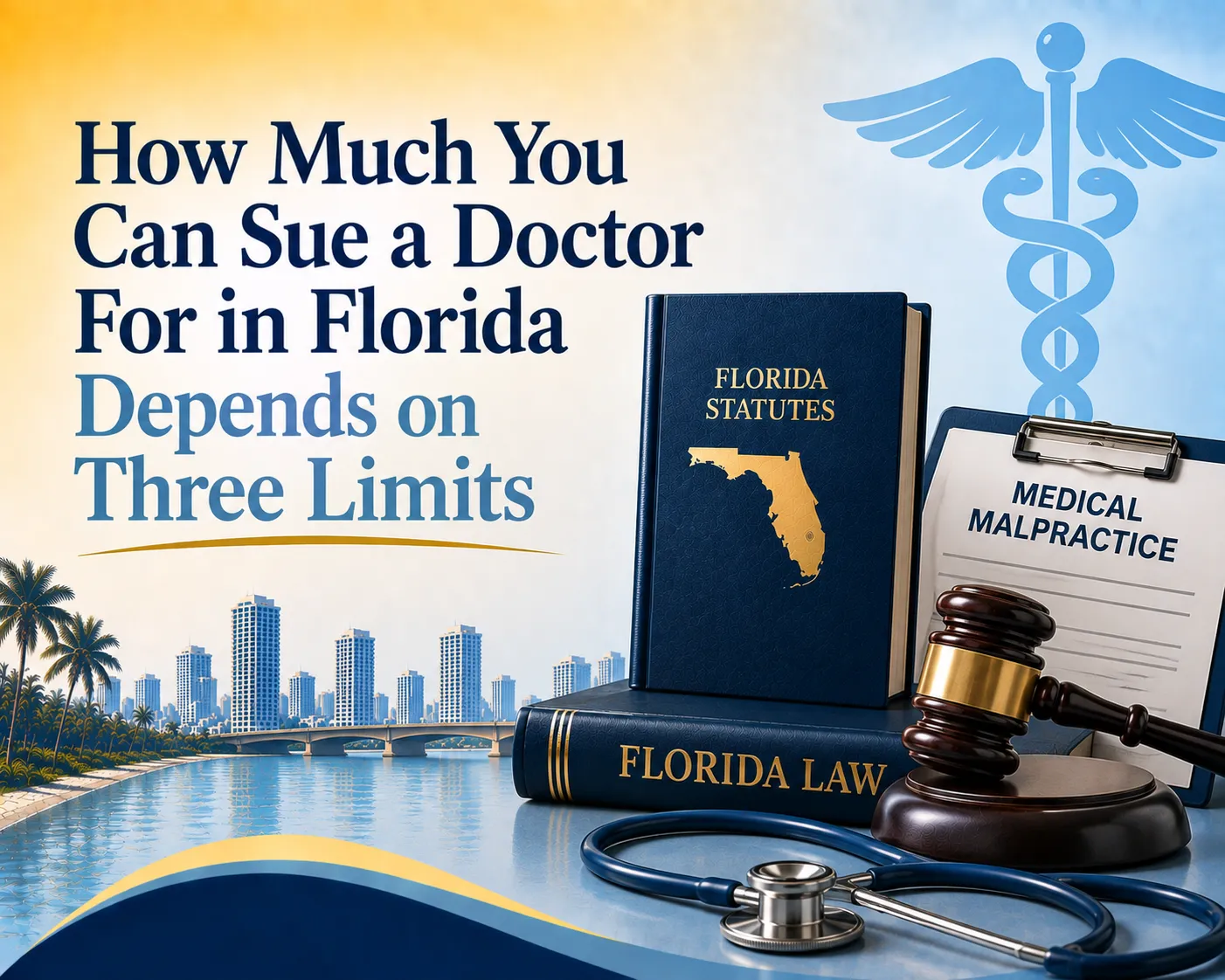
Almost every parent who calls about a birth injury describes the same sequence. The delivery did not go the way it was supposed to. Someone mentioned that the baby was in distress. There was a rush, or there was a wait that felt far too long. Weeks or months later a pediatrician uses a term like hypoxic-ischemic encephalopathy or cerebral palsy, and the family starts trying to understand what happened and whether anyone was responsible. In Florida that question runs into something most parents have never heard of until it lands on them. Florida operates a no-fault compensation program for certain birth-related neurological injuries, and when an injury qualifies, that program generally replaces the malpractice lawsuit rather than sitting alongside it. Whether a child's injury falls inside or outside that program shapes almost everything else, including where the claim is filed, what can be recovered, and how long the family has to act.
Not every difficult delivery involves negligence, and not every injury present at birth was caused by anyone's mistake. A medical negligence claim in Florida requires proof of four things, and the third one is where most birth injury cases are won or lost.

Florida created the Birth-Related Neurological Injury Compensation Association, known as NICA, under Florida Statutes 766.301 through 766.316. It is a no-fault administrative program, which means a family does not have to prove that anyone was negligent to receive benefits. That sounds like an advantage, and in some cases it is. The trade-off is written into Florida Statute 766.303(2): where an injury is covered by the plan, the rights and remedies it provides generally exclude other claims at common law against the people and entities involved in the labor, delivery, and immediate post-delivery resuscitation.
Certain diagnoses come up repeatedly. What follows describes them in general terms only. Any specific child's diagnosis, cause, and prognosis are medical questions for the treating physicians.
Florida places procedural requirements in front of medical negligence claims that do not apply to ordinary injury cases. They are strict, and failing to satisfy them can end a case regardless of its merits.
Birth injury cases have unusual timing rules because the injured person is an infant and because two separate systems may apply. Missing either clock can foreclose the claim.
Where a malpractice claim is available, damages are measured by the harm and the lifetime consequences rather than by any fixed schedule. Serious birth injury cases are among the most expensive in personal injury law precisely because the costs run for decades.
The concerns below come up in nearly every first conversation about a possible birth injury claim.
Families in this situation are usually trying to answer two things at once: what happened to my child, and what can be done about it. The legal side turns on a threshold question that has to come before everything else, because the answer sends the case down one of two very different paths with different deadlines, different proof requirements, and different outcomes.
Stay ahead in the legal world with our regular updates and expert analysis on current legal developments.
Real stories from injury victims across Florida who trusted us during some of the most difficult moments of their lives.
Get Legal HelpI want to share my experience with Scott Edgett and his team, because finding an attorney who truly stands with you is not something you come across often.What impressed me most was the way Scott took the time to understand me as a whole person. He did not treat my situation like something routine or transactional. He took time to learn what I valu...
Camille S.
Truck Accident Client
Exceptional from start to finish. Scott and his whole team were patient, prepared, communicated clearly throughout the process, and delivered a result that exceeded our expectations. You can tell they genuinely care about their clients. I couldn't recommend them more highly.
Jack T.
Car Accident Client
Scott and his team of lawyers are truly outstanding. They were always available during difficult times, answering our calls at virtually any hour of the day or night. Their dedication and diligence in handling our family case went above and beyond, working tirelessly to ensure complete client satisfaction. I cannot fully express my gratitude in wor...
Andrei H.
Wrongful Death Client
A coworker used Mr. Edgett services and a situation came up that she need answers asap. I was very impressed on how he kept responding back to her multiple times until this issue was resolved. To me it shows he's compassionate and understood what was needed and he was able to assist her.
AL F.
Slip and Fall Client
This law firm helped me get through a lot and I will forever be grateful to them! I always refer friends and family. Tonya was very helpful! They truly care for their clients. 10/10
Gabriel F.
Motorcycle Accident Client
Mallory was super helpful through a very tough process regarding my family. Amy was also very sweet and professional. Although we did not actually end up needing to hire them, they really helped us understand everything we were going through and gave us great advice! I’d definitely recommend this law firm to my friends and family.
Rochelle B.
Catastrophic Injury Client
I highly recommend attorney Scott Edgett law firm to any parent or family member seeking legal representation. They treated us like family and genuinely cared about our well being and daughters best interests throughout the entire process
Sergio g.
Catastrophic Injury Client
I trust this law firm so much! Their services are great!! Scott is AMAZING! The most professional and honest place I’ve been to. I would recommend to everyone!
Marlene F.
Catastrophic Injury Client
I want to share my experience with Scott Edgett and his team, because finding an attorney who truly stands with you is not something you come across often.What impressed me most was the way Scott took the time to understand me as a whole person. He did not treat my situation like something routine or transactional. He took time to learn what I valu...
Camille S.
Truck Accident Client
Exceptional from start to finish. Scott and his whole team were patient, prepared, communicated clearly throughout the process, and delivered a result that exceeded our expectations. You can tell they genuinely care about their clients. I couldn't recommend them more highly.
Jack T.
Car Accident Client
Scott and his team of lawyers are truly outstanding. They were always available during difficult times, answering our calls at virtually any hour of the day or night. Their dedication and diligence in handling our family case went above and beyond, working tirelessly to ensure complete client satisfaction. I cannot fully express my gratitude in wor...
Andrei H.
Wrongful Death Client
A coworker used Mr. Edgett services and a situation came up that she need answers asap. I was very impressed on how he kept responding back to her multiple times until this issue was resolved. To me it shows he's compassionate and understood what was needed and he was able to assist her.
AL F.
Slip and Fall Client
This law firm helped me get through a lot and I will forever be grateful to them! I always refer friends and family. Tonya was very helpful! They truly care for their clients. 10/10
Gabriel F.
Motorcycle Accident Client
Mallory was super helpful through a very tough process regarding my family. Amy was also very sweet and professional. Although we did not actually end up needing to hire them, they really helped us understand everything we were going through and gave us great advice! I’d definitely recommend this law firm to my friends and family.
Rochelle B.
Catastrophic Injury Client
I highly recommend attorney Scott Edgett law firm to any parent or family member seeking legal representation. They treated us like family and genuinely cared about our well being and daughters best interests throughout the entire process
Sergio g.
Catastrophic Injury Client
I trust this law firm so much! Their services are great!! Scott is AMAZING! The most professional and honest place I’ve been to. I would recommend to everyone!
Marlene F.
Catastrophic Injury Client
I want to share my experience with Scott Edgett and his team, because finding an attorney who truly stands with you is not something you come across often.What impressed me most was the way Scott took the time to understand me as a whole person. He did not treat my situation like something routine or transactional. He took time to learn what I valu...
Camille S.
Truck Accident Client
Exceptional from start to finish. Scott and his whole team were patient, prepared, communicated clearly throughout the process, and delivered a result that exceeded our expectations. You can tell they genuinely care about their clients. I couldn't recommend them more highly.
Jack T.
Car Accident Client
Scott and his team of lawyers are truly outstanding. They were always available during difficult times, answering our calls at virtually any hour of the day or night. Their dedication and diligence in handling our family case went above and beyond, working tirelessly to ensure complete client satisfaction. I cannot fully express my gratitude in wor...
Andrei H.
Wrongful Death Client
A coworker used Mr. Edgett services and a situation came up that she need answers asap. I was very impressed on how he kept responding back to her multiple times until this issue was resolved. To me it shows he's compassionate and understood what was needed and he was able to assist her.
AL F.
Slip and Fall Client
This law firm helped me get through a lot and I will forever be grateful to them! I always refer friends and family. Tonya was very helpful! They truly care for their clients. 10/10
Gabriel F.
Motorcycle Accident Client
Mallory was super helpful through a very tough process regarding my family. Amy was also very sweet and professional. Although we did not actually end up needing to hire them, they really helped us understand everything we were going through and gave us great advice! I’d definitely recommend this law firm to my friends and family.
Rochelle B.
Catastrophic Injury Client
I highly recommend attorney Scott Edgett law firm to any parent or family member seeking legal representation. They treated us like family and genuinely cared about our well being and daughters best interests throughout the entire process
Sergio g.
Catastrophic Injury Client
I trust this law firm so much! Their services are great!! Scott is AMAZING! The most professional and honest place I’ve been to. I would recommend to everyone!
Marlene F.
Catastrophic Injury Client
I want to share my experience with Scott Edgett and his team, because finding an attorney who truly stands with you is not something you come across often.What impressed me most was the way Scott took the time to understand me as a whole person. He did not treat my situation like something routine or transactional. He took time to learn what I valu...
Camille S.
Truck Accident Client
Exceptional from start to finish. Scott and his whole team were patient, prepared, communicated clearly throughout the process, and delivered a result that exceeded our expectations. You can tell they genuinely care about their clients. I couldn't recommend them more highly.
Jack T.
Car Accident Client
Scott and his team of lawyers are truly outstanding. They were always available during difficult times, answering our calls at virtually any hour of the day or night. Their dedication and diligence in handling our family case went above and beyond, working tirelessly to ensure complete client satisfaction. I cannot fully express my gratitude in wor...
Andrei H.
Wrongful Death Client
A coworker used Mr. Edgett services and a situation came up that she need answers asap. I was very impressed on how he kept responding back to her multiple times until this issue was resolved. To me it shows he's compassionate and understood what was needed and he was able to assist her.
AL F.
Slip and Fall Client
This law firm helped me get through a lot and I will forever be grateful to them! I always refer friends and family. Tonya was very helpful! They truly care for their clients. 10/10
Gabriel F.
Motorcycle Accident Client
Mallory was super helpful through a very tough process regarding my family. Amy was also very sweet and professional. Although we did not actually end up needing to hire them, they really helped us understand everything we were going through and gave us great advice! I’d definitely recommend this law firm to my friends and family.
Rochelle B.
Catastrophic Injury Client
I highly recommend attorney Scott Edgett law firm to any parent or family member seeking legal representation. They treated us like family and genuinely cared about our well being and daughters best interests throughout the entire process
Sergio g.
Catastrophic Injury Client
I trust this law firm so much! Their services are great!! Scott is AMAZING! The most professional and honest place I’ve been to. I would recommend to everyone!
Marlene F.
Catastrophic Injury Client
I want to share my experience with Scott Edgett and his team, because finding an attorney who truly stands with you is not something you come across often.What impressed me most was the way Scott took the time to understand me as a whole person. He did not treat my situation like something routine or transactional. He took time to learn what I valu...
Camille S.
Truck Accident Client
Exceptional from start to finish. Scott and his whole team were patient, prepared, communicated clearly throughout the process, and delivered a result that exceeded our expectations. You can tell they genuinely care about their clients. I couldn't recommend them more highly.
Jack T.
Car Accident Client
Scott and his team of lawyers are truly outstanding. They were always available during difficult times, answering our calls at virtually any hour of the day or night. Their dedication and diligence in handling our family case went above and beyond, working tirelessly to ensure complete client satisfaction. I cannot fully express my gratitude in wor...
Andrei H.
Wrongful Death Client
A coworker used Mr. Edgett services and a situation came up that she need answers asap. I was very impressed on how he kept responding back to her multiple times until this issue was resolved. To me it shows he's compassionate and understood what was needed and he was able to assist her.
AL F.
Slip and Fall Client
This law firm helped me get through a lot and I will forever be grateful to them! I always refer friends and family. Tonya was very helpful! They truly care for their clients. 10/10
Gabriel F.
Motorcycle Accident Client
Mallory was super helpful through a very tough process regarding my family. Amy was also very sweet and professional. Although we did not actually end up needing to hire them, they really helped us understand everything we were going through and gave us great advice! I’d definitely recommend this law firm to my friends and family.
Rochelle B.
Catastrophic Injury Client
I highly recommend attorney Scott Edgett law firm to any parent or family member seeking legal representation. They treated us like family and genuinely cared about our well being and daughters best interests throughout the entire process
Sergio g.
Catastrophic Injury Client
I trust this law firm so much! Their services are great!! Scott is AMAZING! The most professional and honest place I’ve been to. I would recommend to everyone!
Marlene F.
Catastrophic Injury Client
I want to share my experience with Scott Edgett and his team, because finding an attorney who truly stands with you is not something you come across often.What impressed me most was the way Scott took the time to understand me as a whole person. He did not treat my situation like something routine or transactional. He took time to learn what I valu...
Camille S.
Truck Accident Client
Exceptional from start to finish. Scott and his whole team were patient, prepared, communicated clearly throughout the process, and delivered a result that exceeded our expectations. You can tell they genuinely care about their clients. I couldn't recommend them more highly.
Jack T.
Car Accident Client
Scott and his team of lawyers are truly outstanding. They were always available during difficult times, answering our calls at virtually any hour of the day or night. Their dedication and diligence in handling our family case went above and beyond, working tirelessly to ensure complete client satisfaction. I cannot fully express my gratitude in wor...
Andrei H.
Wrongful Death Client
A coworker used Mr. Edgett services and a situation came up that she need answers asap. I was very impressed on how he kept responding back to her multiple times until this issue was resolved. To me it shows he's compassionate and understood what was needed and he was able to assist her.
AL F.
Slip and Fall Client
This law firm helped me get through a lot and I will forever be grateful to them! I always refer friends and family. Tonya was very helpful! They truly care for their clients. 10/10
Gabriel F.
Motorcycle Accident Client
Mallory was super helpful through a very tough process regarding my family. Amy was also very sweet and professional. Although we did not actually end up needing to hire them, they really helped us understand everything we were going through and gave us great advice! I’d definitely recommend this law firm to my friends and family.
Rochelle B.
Catastrophic Injury Client
I highly recommend attorney Scott Edgett law firm to any parent or family member seeking legal representation. They treated us like family and genuinely cared about our well being and daughters best interests throughout the entire process
Sergio g.
Catastrophic Injury Client
I trust this law firm so much! Their services are great!! Scott is AMAZING! The most professional and honest place I’ve been to. I would recommend to everyone!
Marlene F.
Catastrophic Injury Client
Injured In An Accident?
You Focus On Recovery. We'll Handle The Rest.

Fighting For Florida Injury Victims With Compassion, Experience, And Results.
Copyright © 2026 FloridaCAIL.com, All rights reserved.
Fighting For Florida Injury Victims With Compassion, Experience, And Results.
Phone
1-866-414-1111© 2026 Florida CAIL · Coastal Accident & Injury Law · All rights reserved.
Powered by AG InfoTech
Injured? We're available 24/7
1-866-414-1111