
Explore Blog Posts
Stay ahead in the legal world with our regular updates and expert analysis on current legal developments.
View All Blog Posts
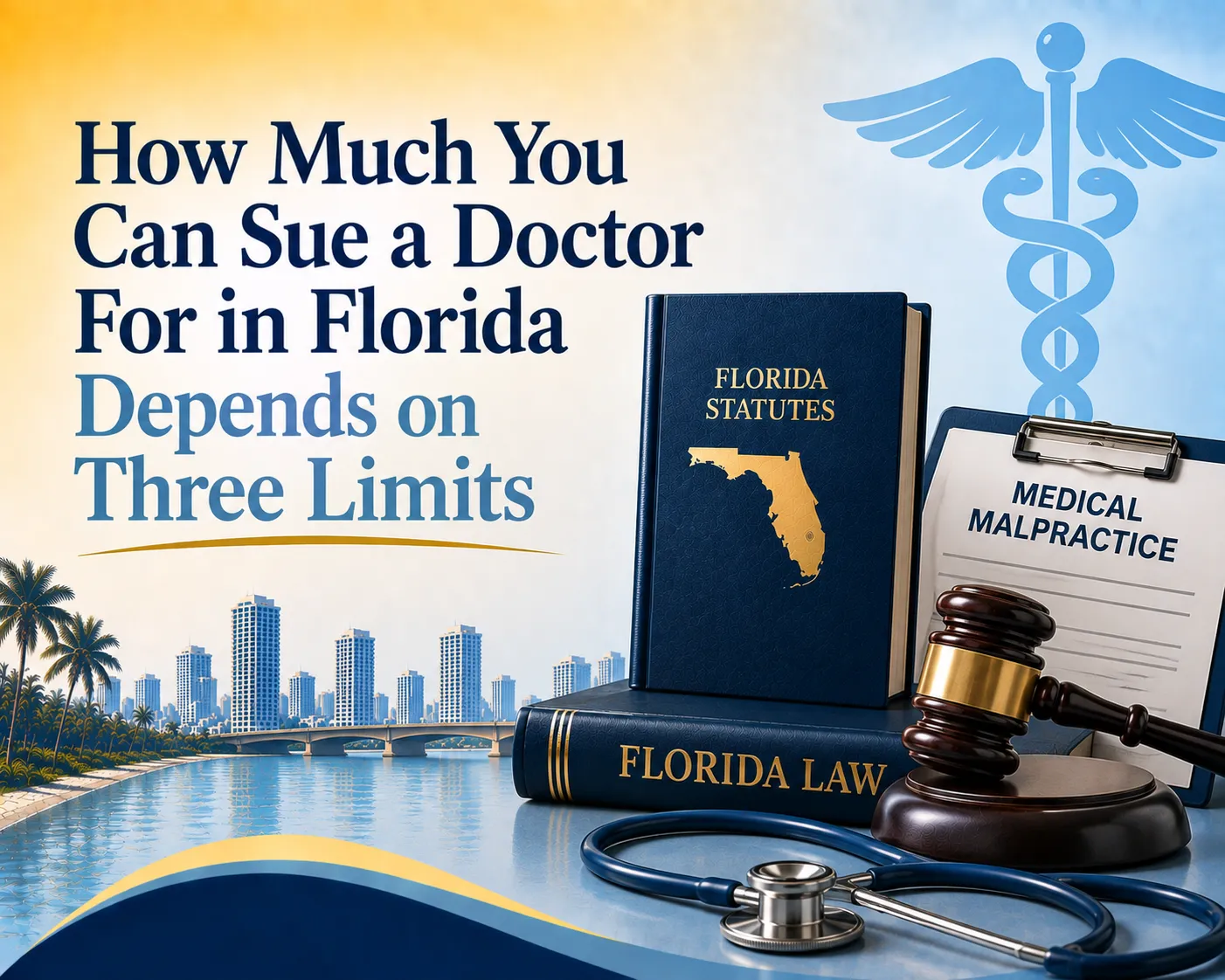
Most injury claims come down to whether someone behaved carelessly. Product cases are different, and the difference works in the injured person's favor. When a product itself is defective, Florida law generally does not require proof that the manufacturer was sloppy, cut corners, or knew about the problem. A product that is unreasonably dangerous can support a claim even from a company that did everything it reasonably could. That principle covers a wide range of situations, from a tire that separates at highway speed and a brake system that fails on a school bus to a medical device, a piece of equipment, or a consumer product sold to millions of people. Florida also treats these claims differently on timing, giving them a longer filing window than ordinary negligence cases while imposing a separate hard cutoff that can run out before anyone is hurt at all.
Florida recognizes three distinct theories, and they are not interchangeable. Which one applies shapes the evidence, the experts, and often whether the case is viable at all.

Florida adopted strict liability for defective products in West v. Caterpillar Tractor Company in 1976, following the framework of Section 402A of the Restatement (Second) of Torts. The reasoning was practical: a company that puts a product into the stream of commerce is better positioned than an injured consumer to absorb and spread the cost of the harm it causes, and requiring an ordinary person to reconstruct what happened inside a factory would make most claims impossible.
This is where product cases diverge from the rest of Florida injury law, and the divergence runs in both directions. One rule is more generous than people expect and the other is harsher.
Product defendants are generally well funded and well represented, and a predictable set of defenses appears in most cases.
Some defects affect thousands of people across the country, and those claims are handled through procedures most injured people have never encountered. Understanding what these procedures are, and what they are not, prevents a good deal of confusion.
These cases are won with documents and physical evidence, much of which is easy to lose in the ordinary course of life.
These come up in most conversations about a product-related injury.
Product claims give injured people a meaningful advantage in Florida, since the question is whether the product was unreasonably dangerous rather than whether a company behaved badly. What most often decides these cases is not the legal standard but whether the physical evidence survived long enough to be examined.
Stay ahead in the legal world with our regular updates and expert analysis on current legal developments.
Real stories from injury victims across Florida who trusted us during some of the most difficult moments of their lives.
Get Legal HelpI want to share my experience with Scott Edgett and his team, because finding an attorney who truly stands with you is not something you come across often.What impressed me most was the way Scott took the time to understand me as a whole person. He did not treat my situation like something routine or transactional. He took time to learn what I valu...
Camille S.
Truck Accident Client
Exceptional from start to finish. Scott and his whole team were patient, prepared, communicated clearly throughout the process, and delivered a result that exceeded our expectations. You can tell they genuinely care about their clients. I couldn't recommend them more highly.
Jack T.
Car Accident Client
Scott and his team of lawyers are truly outstanding. They were always available during difficult times, answering our calls at virtually any hour of the day or night. Their dedication and diligence in handling our family case went above and beyond, working tirelessly to ensure complete client satisfaction. I cannot fully express my gratitude in wor...
Andrei H.
Wrongful Death Client
A coworker used Mr. Edgett services and a situation came up that she need answers asap. I was very impressed on how he kept responding back to her multiple times until this issue was resolved. To me it shows he's compassionate and understood what was needed and he was able to assist her.
AL F.
Slip and Fall Client
This law firm helped me get through a lot and I will forever be grateful to them! I always refer friends and family. Tonya was very helpful! They truly care for their clients. 10/10
Gabriel F.
Motorcycle Accident Client
Mallory was super helpful through a very tough process regarding my family. Amy was also very sweet and professional. Although we did not actually end up needing to hire them, they really helped us understand everything we were going through and gave us great advice! I’d definitely recommend this law firm to my friends and family.
Rochelle B.
Catastrophic Injury Client
I highly recommend attorney Scott Edgett law firm to any parent or family member seeking legal representation. They treated us like family and genuinely cared about our well being and daughters best interests throughout the entire process
Sergio g.
Catastrophic Injury Client
I trust this law firm so much! Their services are great!! Scott is AMAZING! The most professional and honest place I’ve been to. I would recommend to everyone!
Marlene F.
Catastrophic Injury Client
I want to share my experience with Scott Edgett and his team, because finding an attorney who truly stands with you is not something you come across often.What impressed me most was the way Scott took the time to understand me as a whole person. He did not treat my situation like something routine or transactional. He took time to learn what I valu...
Camille S.
Truck Accident Client
Exceptional from start to finish. Scott and his whole team were patient, prepared, communicated clearly throughout the process, and delivered a result that exceeded our expectations. You can tell they genuinely care about their clients. I couldn't recommend them more highly.
Jack T.
Car Accident Client
Scott and his team of lawyers are truly outstanding. They were always available during difficult times, answering our calls at virtually any hour of the day or night. Their dedication and diligence in handling our family case went above and beyond, working tirelessly to ensure complete client satisfaction. I cannot fully express my gratitude in wor...
Andrei H.
Wrongful Death Client
A coworker used Mr. Edgett services and a situation came up that she need answers asap. I was very impressed on how he kept responding back to her multiple times until this issue was resolved. To me it shows he's compassionate and understood what was needed and he was able to assist her.
AL F.
Slip and Fall Client
This law firm helped me get through a lot and I will forever be grateful to them! I always refer friends and family. Tonya was very helpful! They truly care for their clients. 10/10
Gabriel F.
Motorcycle Accident Client
Mallory was super helpful through a very tough process regarding my family. Amy was also very sweet and professional. Although we did not actually end up needing to hire them, they really helped us understand everything we were going through and gave us great advice! I’d definitely recommend this law firm to my friends and family.
Rochelle B.
Catastrophic Injury Client
I highly recommend attorney Scott Edgett law firm to any parent or family member seeking legal representation. They treated us like family and genuinely cared about our well being and daughters best interests throughout the entire process
Sergio g.
Catastrophic Injury Client
I trust this law firm so much! Their services are great!! Scott is AMAZING! The most professional and honest place I’ve been to. I would recommend to everyone!
Marlene F.
Catastrophic Injury Client
I want to share my experience with Scott Edgett and his team, because finding an attorney who truly stands with you is not something you come across often.What impressed me most was the way Scott took the time to understand me as a whole person. He did not treat my situation like something routine or transactional. He took time to learn what I valu...
Camille S.
Truck Accident Client
Exceptional from start to finish. Scott and his whole team were patient, prepared, communicated clearly throughout the process, and delivered a result that exceeded our expectations. You can tell they genuinely care about their clients. I couldn't recommend them more highly.
Jack T.
Car Accident Client
Scott and his team of lawyers are truly outstanding. They were always available during difficult times, answering our calls at virtually any hour of the day or night. Their dedication and diligence in handling our family case went above and beyond, working tirelessly to ensure complete client satisfaction. I cannot fully express my gratitude in wor...
Andrei H.
Wrongful Death Client
A coworker used Mr. Edgett services and a situation came up that she need answers asap. I was very impressed on how he kept responding back to her multiple times until this issue was resolved. To me it shows he's compassionate and understood what was needed and he was able to assist her.
AL F.
Slip and Fall Client
This law firm helped me get through a lot and I will forever be grateful to them! I always refer friends and family. Tonya was very helpful! They truly care for their clients. 10/10
Gabriel F.
Motorcycle Accident Client
Mallory was super helpful through a very tough process regarding my family. Amy was also very sweet and professional. Although we did not actually end up needing to hire them, they really helped us understand everything we were going through and gave us great advice! I’d definitely recommend this law firm to my friends and family.
Rochelle B.
Catastrophic Injury Client
I highly recommend attorney Scott Edgett law firm to any parent or family member seeking legal representation. They treated us like family and genuinely cared about our well being and daughters best interests throughout the entire process
Sergio g.
Catastrophic Injury Client
I trust this law firm so much! Their services are great!! Scott is AMAZING! The most professional and honest place I’ve been to. I would recommend to everyone!
Marlene F.
Catastrophic Injury Client
I want to share my experience with Scott Edgett and his team, because finding an attorney who truly stands with you is not something you come across often.What impressed me most was the way Scott took the time to understand me as a whole person. He did not treat my situation like something routine or transactional. He took time to learn what I valu...
Camille S.
Truck Accident Client
Exceptional from start to finish. Scott and his whole team were patient, prepared, communicated clearly throughout the process, and delivered a result that exceeded our expectations. You can tell they genuinely care about their clients. I couldn't recommend them more highly.
Jack T.
Car Accident Client
Scott and his team of lawyers are truly outstanding. They were always available during difficult times, answering our calls at virtually any hour of the day or night. Their dedication and diligence in handling our family case went above and beyond, working tirelessly to ensure complete client satisfaction. I cannot fully express my gratitude in wor...
Andrei H.
Wrongful Death Client
A coworker used Mr. Edgett services and a situation came up that she need answers asap. I was very impressed on how he kept responding back to her multiple times until this issue was resolved. To me it shows he's compassionate and understood what was needed and he was able to assist her.
AL F.
Slip and Fall Client
This law firm helped me get through a lot and I will forever be grateful to them! I always refer friends and family. Tonya was very helpful! They truly care for their clients. 10/10
Gabriel F.
Motorcycle Accident Client
Mallory was super helpful through a very tough process regarding my family. Amy was also very sweet and professional. Although we did not actually end up needing to hire them, they really helped us understand everything we were going through and gave us great advice! I’d definitely recommend this law firm to my friends and family.
Rochelle B.
Catastrophic Injury Client
I highly recommend attorney Scott Edgett law firm to any parent or family member seeking legal representation. They treated us like family and genuinely cared about our well being and daughters best interests throughout the entire process
Sergio g.
Catastrophic Injury Client
I trust this law firm so much! Their services are great!! Scott is AMAZING! The most professional and honest place I’ve been to. I would recommend to everyone!
Marlene F.
Catastrophic Injury Client
I want to share my experience with Scott Edgett and his team, because finding an attorney who truly stands with you is not something you come across often.What impressed me most was the way Scott took the time to understand me as a whole person. He did not treat my situation like something routine or transactional. He took time to learn what I valu...
Camille S.
Truck Accident Client
Exceptional from start to finish. Scott and his whole team were patient, prepared, communicated clearly throughout the process, and delivered a result that exceeded our expectations. You can tell they genuinely care about their clients. I couldn't recommend them more highly.
Jack T.
Car Accident Client
Scott and his team of lawyers are truly outstanding. They were always available during difficult times, answering our calls at virtually any hour of the day or night. Their dedication and diligence in handling our family case went above and beyond, working tirelessly to ensure complete client satisfaction. I cannot fully express my gratitude in wor...
Andrei H.
Wrongful Death Client
A coworker used Mr. Edgett services and a situation came up that she need answers asap. I was very impressed on how he kept responding back to her multiple times until this issue was resolved. To me it shows he's compassionate and understood what was needed and he was able to assist her.
AL F.
Slip and Fall Client
This law firm helped me get through a lot and I will forever be grateful to them! I always refer friends and family. Tonya was very helpful! They truly care for their clients. 10/10
Gabriel F.
Motorcycle Accident Client
Mallory was super helpful through a very tough process regarding my family. Amy was also very sweet and professional. Although we did not actually end up needing to hire them, they really helped us understand everything we were going through and gave us great advice! I’d definitely recommend this law firm to my friends and family.
Rochelle B.
Catastrophic Injury Client
I highly recommend attorney Scott Edgett law firm to any parent or family member seeking legal representation. They treated us like family and genuinely cared about our well being and daughters best interests throughout the entire process
Sergio g.
Catastrophic Injury Client
I trust this law firm so much! Their services are great!! Scott is AMAZING! The most professional and honest place I’ve been to. I would recommend to everyone!
Marlene F.
Catastrophic Injury Client
I want to share my experience with Scott Edgett and his team, because finding an attorney who truly stands with you is not something you come across often.What impressed me most was the way Scott took the time to understand me as a whole person. He did not treat my situation like something routine or transactional. He took time to learn what I valu...
Camille S.
Truck Accident Client
Exceptional from start to finish. Scott and his whole team were patient, prepared, communicated clearly throughout the process, and delivered a result that exceeded our expectations. You can tell they genuinely care about their clients. I couldn't recommend them more highly.
Jack T.
Car Accident Client
Scott and his team of lawyers are truly outstanding. They were always available during difficult times, answering our calls at virtually any hour of the day or night. Their dedication and diligence in handling our family case went above and beyond, working tirelessly to ensure complete client satisfaction. I cannot fully express my gratitude in wor...
Andrei H.
Wrongful Death Client
A coworker used Mr. Edgett services and a situation came up that she need answers asap. I was very impressed on how he kept responding back to her multiple times until this issue was resolved. To me it shows he's compassionate and understood what was needed and he was able to assist her.
AL F.
Slip and Fall Client
This law firm helped me get through a lot and I will forever be grateful to them! I always refer friends and family. Tonya was very helpful! They truly care for their clients. 10/10
Gabriel F.
Motorcycle Accident Client
Mallory was super helpful through a very tough process regarding my family. Amy was also very sweet and professional. Although we did not actually end up needing to hire them, they really helped us understand everything we were going through and gave us great advice! I’d definitely recommend this law firm to my friends and family.
Rochelle B.
Catastrophic Injury Client
I highly recommend attorney Scott Edgett law firm to any parent or family member seeking legal representation. They treated us like family and genuinely cared about our well being and daughters best interests throughout the entire process
Sergio g.
Catastrophic Injury Client
I trust this law firm so much! Their services are great!! Scott is AMAZING! The most professional and honest place I’ve been to. I would recommend to everyone!
Marlene F.
Catastrophic Injury Client
Injured In An Accident?
You Focus On Recovery. We'll Handle The Rest.

Fighting For Florida Injury Victims With Compassion, Experience, And Results.
Copyright © 2026 FloridaCAIL.com, All rights reserved.
Fighting For Florida Injury Victims With Compassion, Experience, And Results.
Phone
1-866-414-1111© 2026 Florida CAIL · Coastal Accident & Injury Law · All rights reserved.
Powered by AG InfoTech
Injured? We're available 24/7
1-866-414-1111